
The Grief That Comes With a Diagnosis
Receiving a diagnosis can change something in us, even before we know what it means for our future. Whether it is cancer, a chronic illness or another condition that alters how we understand our health, there can be a moment when the life we thought we were living and the life we now find ourselves facing no longer feel quite the same.
Sometimes the diagnosis brings relief. There is finally an explanation for symptoms that have been worrying us, or a name for something we have been struggling to understand. We may feel grateful to have answers and reassured that there is a plan for treatment. Yet alongside these feelings, something else may begin to emerge: a sense of loss that can be difficult to identify, let alone explain to anyone else.
There can also be an existential dimension to receiving a diagnosis. We may find ourselves confronting questions about mortality, meaning, identity and the uncertainty of being human that we had previously been able to keep at a distance. Illness can bring these questions into sharp focus, prompting us to reconsider not only our health, but how we want to live and what matters most to us.
We might not think of ourselves as grieving. Even though we are still here, our lives or our bodies may look much the same to those around us, and there may be treatment available. Perhaps the prognosis is good. Perhaps the condition is manageable. We may even find ourselves thinking that we ought to be grateful, that others are worse off, or that there is no reason to feel so unsettled. But yet, something has changed.
Grieving the life we thought we had
Much of our sense of security rests on assumptions we rarely stop to question. We expect our bodies to carry us through our days. We make plans, imagine possibilities and look ahead without necessarily considering whether our health will allow us to do the things we want to do.
A diagnosis can interrupt that sense of continuity. Suddenly, our bodies may feel less predictable. We may become more conscious of our vulnerability, more aware of the uncertainty that has always existed but that we could previously afford to leave in the background.
The losses are not always obvious. They may involve changes to our appearance, our independence or our ability to work, travel or enjoy activities that once felt effortless. They may be connected to the future we had imagined, the freedom to make spontaneous decisions, or the simple pleasure of not having to think about our health.
Sometimes the loss is more difficult to articulate. We may miss the person we were before the diagnosis: someone who did not have to think about medical appointments, test results, treatment decisions or the possibility that life might unfold differently from the way we had expected.
This does not mean that our previous life was perfect, or that everything must now be different. It means that our relationship with ourselves and with the future may have changed, and that change can take time to absorb.
When the grief is invisible
One of the difficulties of illness-related grief is that it may not be recognised by the people around us. Friends and family may be relieved that a condition has been identified, eager to reassure us, or keen to focus on treatment and recovery. They may tell us to stay positive, remind us how fortunate we are, or encourage us not to worry until there is something definite to worry about.
Often, these responses come from care. People want to protect us from distress, and they may feel frightened or helpless themselves. Reassurance can be an attempt to restore a sense of normality when none of us quite knows what to say. But when reassurance comes too quickly, there may be little room for the feelings that do not fit neatly into a hopeful narrative.
We can appreciate the treatment available to us and still feel frightened. We can recognise that our situation could be worse and still mourn what has changed. We can have a good prognosis and still struggle with the fact that we are no longer able to take our health for granted. These feelings are not contradictory. They are part of the complexity of being human.
When our distress is repeatedly met with encouragement to look on the bright side, we may begin to question our own reactions. We might minimise what we are experiencing, keep our fears to ourselves or feel guilty for struggling when others believe we should be coping well. Over time, this can leave us feeling isolated at precisely the moment when we most need to feel understood.
The need to regain control
A diagnosis can also unsettle our sense of control. We may find ourselves searching for information, asking questions, seeking second opinions or trying to anticipate every possible outcome. We might become preoccupied with symptoms, appointments and test results, or feel unable to settle until we know what happens next.
These responses are understandable. When something threatens our sense of safety, the mind often tries to reduce uncertainty by gathering information, making plans and preparing for what might happen.
Sometimes these actions are helpful and necessary. Being informed, advocating for ourselves and making decisions about our care can restore a sense of agency at a time when we may feel particularly vulnerable.
But uncertainty cannot always be resolved by thinking harder or gathering more information. There may be periods when we have to wait, when answers are incomplete or when the next step depends on information we do not yet have.
This can be an uncomfortable place to find ourselves, particularly if we are accustomed to being capable, independent and in control of our lives.
We may discover how much energy we spend trying to anticipate the future. We may find it difficult to concentrate on the present because our minds are already rehearsing conversations, imagining outcomes or preparing for news that has not yet arrived.
Perhaps a gentle question is not how to stop ourselves from feeling uncertain, but how to recognise when our attempts to gain control are helping us and when they are exhausting us.
When illness changes our relationships
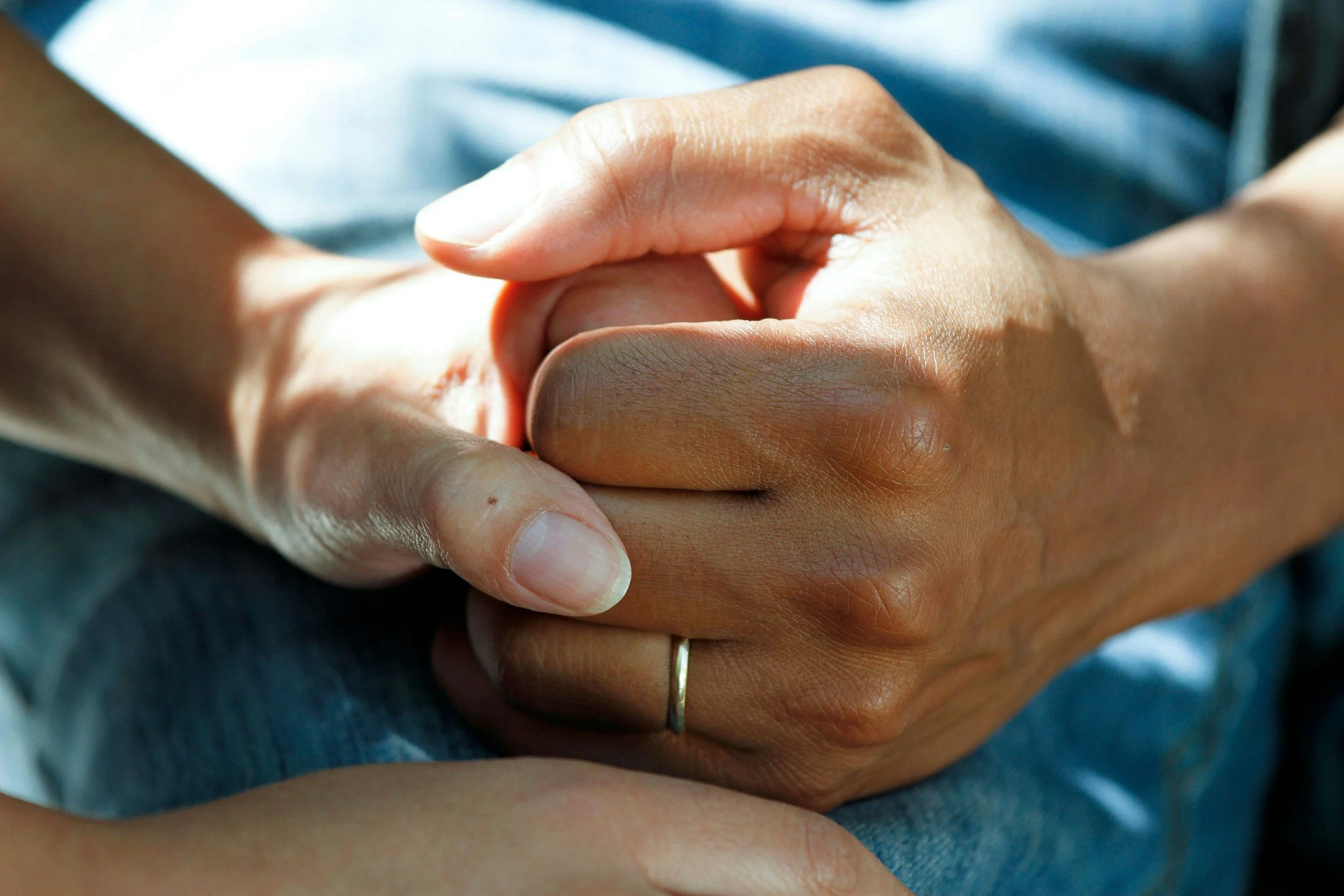
Illness rarely affects only the person who receives the diagnosis. It can alter the dynamics of relationships, sometimes in ways that neither person anticipates.
We may become more dependent on others, or find ourselves reluctant to ask for help because we do not want to worry them. We may want to talk about what is happening while those closest to us would rather focus on ordinary life. We may feel protective of our family and friends, keeping our fears to ourselves, even as we wish they would ask how we are really feeling.
For those accustomed to being the strong one, the organiser or the person others turn to, accepting care can be particularly difficult. It may challenge a familiar sense of identity and bring us face to face with needs we have spent years setting aside.
Others may find that illness exposes existing difficulties in their relationships. Some people become more available and attentive; others withdraw, become uncomfortable or struggle to respond. The experience can reveal both the strength and the limitations of the support around us.
It is possible to feel grateful for the people who are there for us while also feeling disappointed by those who are not. We may need to grieve not only what illness has changed in our own lives, but also the support we had hoped to receive. These feelings deserve space, too.
Making room for what we feel
There is no prescribed way to respond to a diagnosis. Some people want to talk, while others need time alone. Some move quickly into practical action; others feel overwhelmed or find themselves carrying on as though nothing has happened. Our responses may change from one day to the next.
We might feel frightened in the morning and relatively settled by the afternoon. We may manage an appointment calmly and then find ourselves unexpectedly tearful at home. A conversation, a familiar place or an ordinary activity may bring home the reality of what has happened in a way that the diagnosis itself did not.
Grief does not always arrive as sadness. It can show up as irritability, restlessness, anger, numbness or a sense of being disconnected from ourselves. Sometimes we are so focused on getting through the practical demands of illness that we do not have the opportunity to recognise what we are feeling until later.
Rather than judging these responses or trying to move through them as quickly as possible, we might begin by noticing them with a little curiosity.
What has changed for me? What am I most afraid of losing? What do I miss about how life used to feel? What do I need from the people around me that I am finding difficult to ask for?
These are not questions we need to answer all at once. Nor do we have to turn every difficult feeling into an opportunity for growth. Sometimes acknowledging that something is painful is enough for the moment.
For some people, talking with a trusted friend or family member may provide the space they need. Others may find it helpful to speak with a therapist who can sit alongside the uncertainty without rushing to reassure them or offer solutions.
The value of that space lies partly in being able to say what we really feel, including the things we might worry are ungrateful, unreasonable or too frightening for others to hear.
We do not have to protect everyone else from our experience all the time.
Finding our way forward
Coming to terms with a diagnosis does not necessarily mean accepting every aspect of what has happened, feeling positive about the future or discovering some hidden benefit in the experience.
It may mean learning to live with questions that cannot yet be answered. It may involve adjusting expectations, reconsidering priorities or discovering that some things we once took for granted now matter more to us. At other times, it may simply mean getting through the next appointment, the next decision or the next difficult day.
There may be things we can influence and things we cannot. Part of the emotional work is learning to distinguish between them, without blaming ourselves for the uncertainty that remains.
We may gradually develop a different relationship with our bodies, our vulnerability and the future. This does not mean returning to the person we were before. It means finding a way to live as the person we are now, with all the complexity that brings.
Perhaps one of the most important things we can offer ourselves is permission to acknowledge the losses without assuming that they define everything that comes next. We can grieve what has changed and still have things to look forward to. We can feel frightened and still experience moments of pleasure, connection and hope. We can appreciate what remains while mourning what we may no longer have in quite the same way. These experiences can coexist.
A diagnosis may change the way we see ourselves and the future, but it does not erase the rest of who we are. We remain people with relationships, interests, histories, needs and possibilities that extend beyond our illness.
We may not know exactly what the future holds. We may not yet know how we will feel about the changes ahead. But we can begin by allowing ourselves to be where we are, rather than expecting ourselves to have already come to terms with something that is still unfolding.
Sometimes, that is where the process of finding our way forward begins: not in having answers, but in making room for the truth of our experience, including the grief that comes with it.