
When Being Alone Feels Different: Solitude, Loneliness and Connection
There can be something different about being alone at different points in our lives.
Earlier in life, being alone may feel temporary. There are often people around us, whether that is family, friends, colleagues, partners or children. Life can be busy and full, sometimes to the point where there is very little time to think about whether we actually feel connected.
As life changes, that can change too. We may move somewhere new, leave home, lose a relationship, become an empty nester, change jobs, move away from friends or find that the people who once surrounded us are no longer as present in our lives. Sometimes having more space feels welcome. At other times, it can make us more aware of something that has been there for a while.
We can feel lonely when we are single, but being in a relationship does not protect us from loneliness. You can share a home, a bed and a life with someone and still experience a profound sense of being alone. You can also live by yourself and feel deeply connected to other people and comfortable in your own company.
Perhaps this is why it is useful to distinguish between being alone and feeling lonely.
Being alone is not the same as being lonely
Solitude can be a positive experience. There can be pleasure in having your own space, choosing how you spend your time and not having to account for yourself to anyone else. After years of caring for other people or accommodating their needs, being alone can even feel like a relief.
There may be pleasure in quiet mornings, an uninterrupted walk, eating when you want to eat, travelling somewhere on your own or spending an evening without having to talk. These things can feel restorative rather than isolating.
Loneliness feels different. It is less about whether someone is physically present and more about whether we feel connected, understood and part of something.
That is why loneliness can be particularly confusing when you are in a relationship. You might have someone beside you but feel that there is no real emotional meeting between you. Conversations may become mostly about practical things. You may stop sharing what is happening inside you because you no longer expect to be understood, or because it feels easier not to have the conversation.
There is a particular kind of loneliness in feeling unseen by the person who is closest to you.
When you are single
Being single can bring a mixture of feelings, and those feelings can change from one day to the next.
There may be genuine enjoyment in having your own life and making your own decisions. You may have become more comfortable with yourself and less willing to compromise in ways that you once did. You may also find that friendships become increasingly important and that connection does not have to mean being part of a couple.
And yet there can be moments when being alone feels harder.
It might be coming home after a difficult day and having nobody there to tell. It might be illness, a family worry or an important decision that you would like to share with someone. It might be the experience of watching other people's lives appear to become more settled while yours feels less defined.
There can also be an assumption that if you are single, loneliness must be the problem. But sometimes what a person misses is not a partner. They may miss intimacy, companionship, being known by someone, having plans with other people or feeling that they belong somewhere.
Those are different needs, and recognising the difference can matter.
When you are in a relationship
Being in a relationship can bring its own version of aloneness.
Perhaps the relationship has gradually become more functional. You organise the house, manage family life, make plans and get through the week together, but there is less curiosity about one another than there once was.
Sometimes people remain emotionally separate because they have learned not to ask for what they need. Sometimes there has been hurt or disappointment and withdrawing feels safer than trying again. Sometimes the relationship has changed because the people within it have changed.
There can be periods in any relationship when life becomes quieter and there is more space to notice what has happened between two people.
For some couples, that creates an opportunity to find each other again. For others, it brings an uncomfortable awareness of how far apart they have become.
Feeling lonely within a relationship does not necessarily mean that the relationship is over. But it can be an invitation to become more honest about what is happening.
The changing shape of connection
Our idea of connection can change throughout our lives.
There may be times when we want lots of people around us and others when we prefer a smaller circle. A large social life can still leave you lonely if you do not feel that you can be yourself with anyone. Conversely, a small number of meaningful relationships can provide a strong sense of belonging.
Friendships can also change. People move, fall in love, separate, have children, become carers, develop health problems, change jobs or become more absorbed in their own lives. Some friendships naturally become less close, while others deepen.
This can be a difficult adjustment because friendships that once felt permanent can turn out to belong to a particular stage of life. There is a loss in that, even when nobody has done anything wrong.
At the same time, there can be opportunities for different kinds of connection. We may become more selective about who we spend time with and more willing to invest in relationships that feel reciprocal rather than ones that depend on us always being the person who organises, listens or makes the effort.
Learning to be comfortable with yourself
There is another part of this that can be overlooked.
If we have spent much of our lives surrounded by other people and responding to their needs, being alone can initially feel unfamiliar. Without the distractions of work, family or other responsibilities, we may become more aware of our thoughts and feelings. That can be uncomfortable.
But becoming more comfortable in your own company can also be an important part of developing a sense of yourself. It does not mean becoming so self-sufficient that you no longer need anyone. Human beings remain relational. We need closeness, affection, companionship and a sense of belonging.
It is more about developing a relationship with yourself that can coexist with your relationships with other people.
You might begin to notice what you genuinely enjoy when nobody else is deciding. You might discover that some of the things you thought you needed from other people were actually habits or expectations. You might also become clearer about the kinds of relationships that you want to have.
That clarity can sometimes change the way we experience being alone.
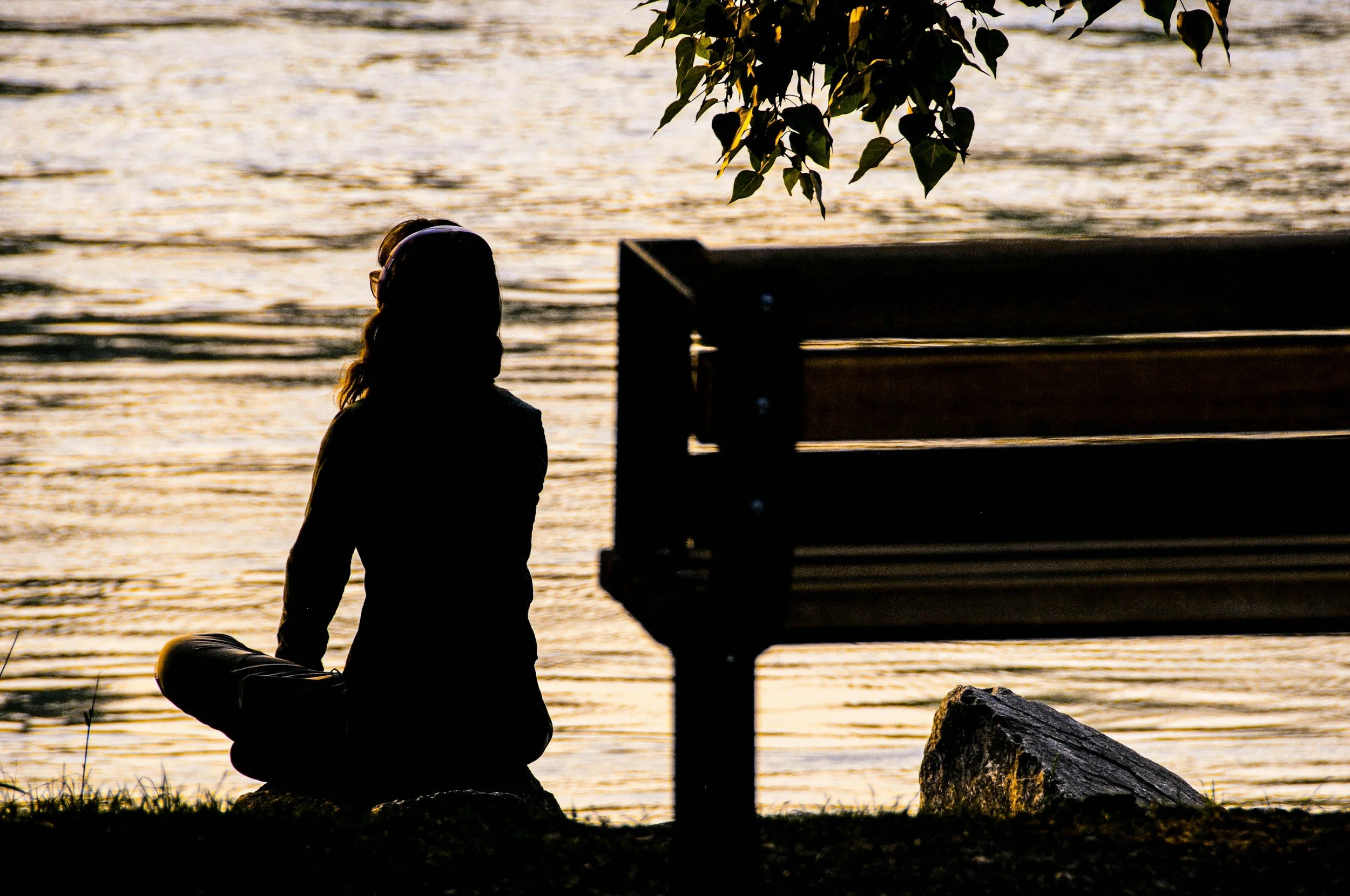
When loneliness tells us something
Loneliness is not always a sign that there is something wrong with us or that we need to fill every empty space.
Sometimes it is telling us that we need more connection. Sometimes it is pointing towards a relationship in which we no longer feel seen. Sometimes it appears during a period of transition, when the relationships and routines that once gave our lives structure have changed and the new ones have not yet formed.
It can be worth becoming curious about what the loneliness is actually asking for.
Is it company? Intimacy? Friendship? Physical affection? A sense of belonging? Someone who understands you? More meaningful conversations? Or perhaps a greater sense of connection with yourself?
The answer will not necessarily be the same at different points in our lives.
There is no one right way to be
We can question some of the assumptions we have carried about what a connected life is supposed to look like.
We do not have to be partnered to have a full life. We do not have to live alone to be independent. We do not have to have a large circle of friends to be connected. And being in a relationship does not automatically mean that we feel less lonely.
What matters is the quality of our connections, including the relationship we have with ourselves.
There may be times when we want more people around us and times when we need more space. There may be periods when solitude feels peaceful and others when it feels painful. We can want independence and intimacy at the same time.
Perhaps the question is not whether we are alone, but whether our lives contain enough of the kind of connection that matters to us; and sometimes, finding that out begins with allowing ourselves to notice how being alone actually feels. If you would like to talk about what you're experiencing, you are welcome to get in touch to arrange an initial consultation.